
For the past 24 days, NOVA Lab students have traveled into the future. (See our first post about this work.) Working off the resources presented by PBS for their amazing series, A Brief History of the Future, we not only learned about the practice of futures thinking through understanding how to recognize signals, trends, and spot patterns, but we used our research to created the backbones for protopias, futures oriented communities designed not through an attempt to predict the future, but rather to acquire the foresight through which we could develop proactive rather than reactive measures to meet the futures we might encounter.
Our presentations of these protopian projects took place in the same amazing space we have presented our initial projects for the past 4 years, Fluxspace. Developed as an ed-tech accelerator, Fluxspace has served as the sort of decentralized, community based, educational facility that I imagine will continue to crop up around the country as we continue to question an educational system ossified by the very measures it heralds.

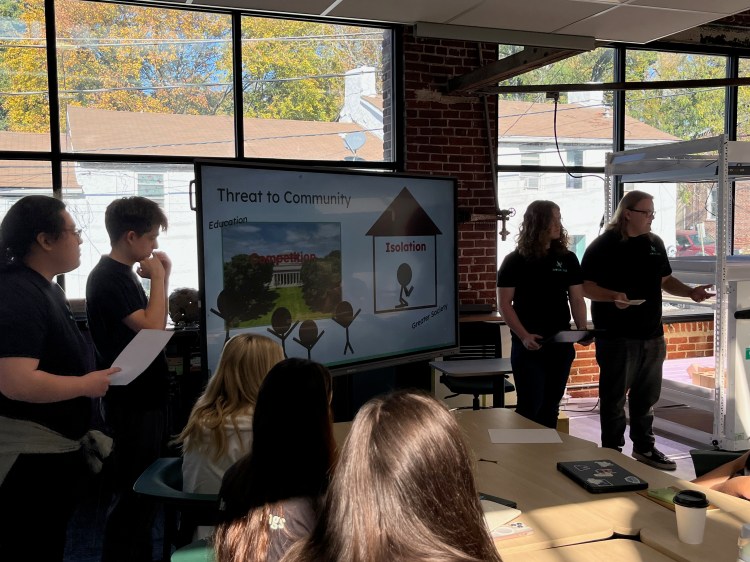
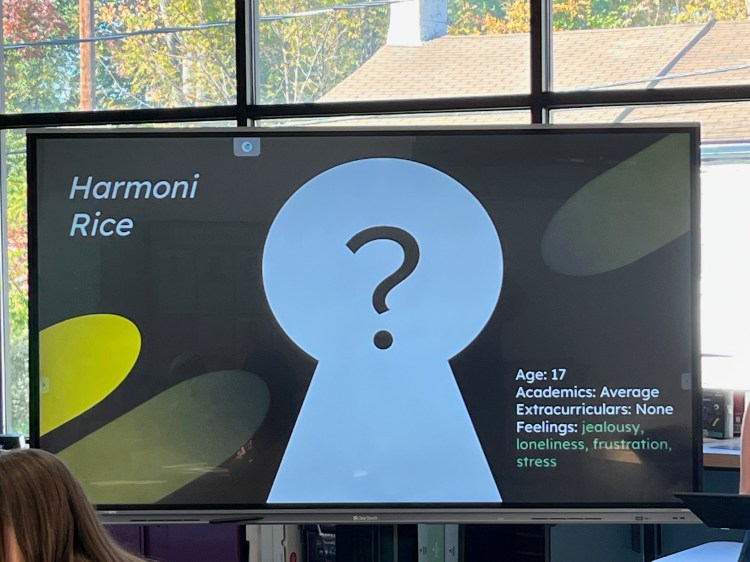
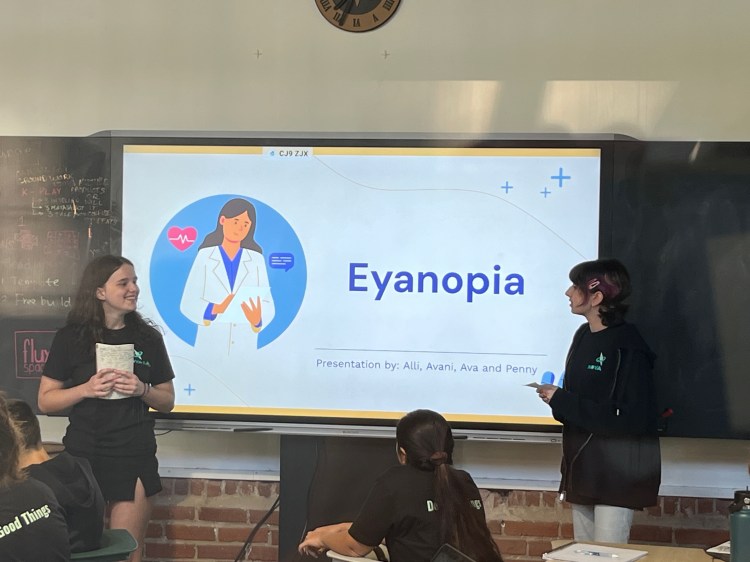
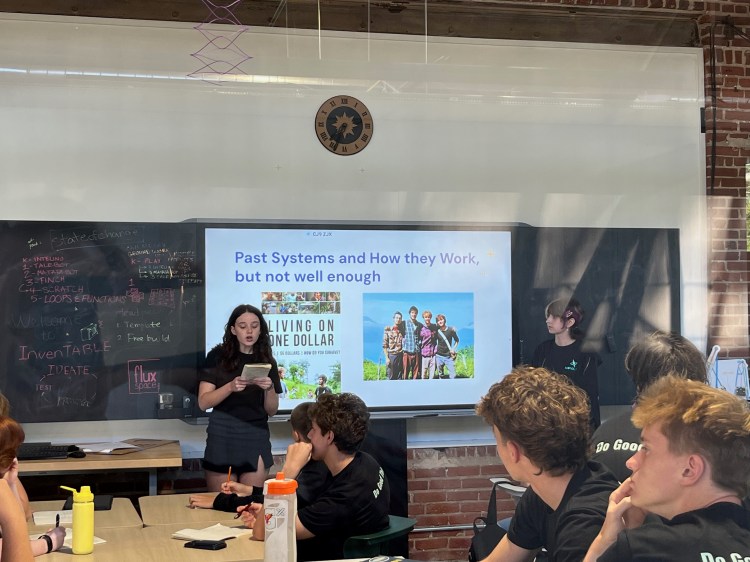
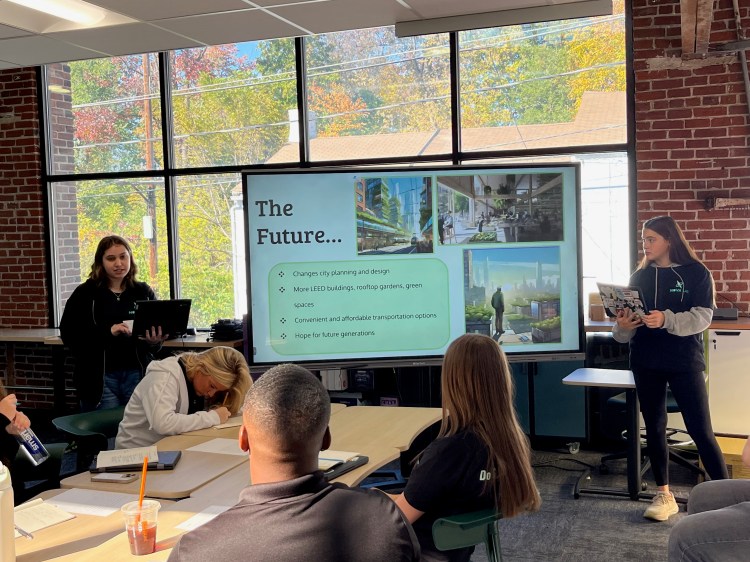


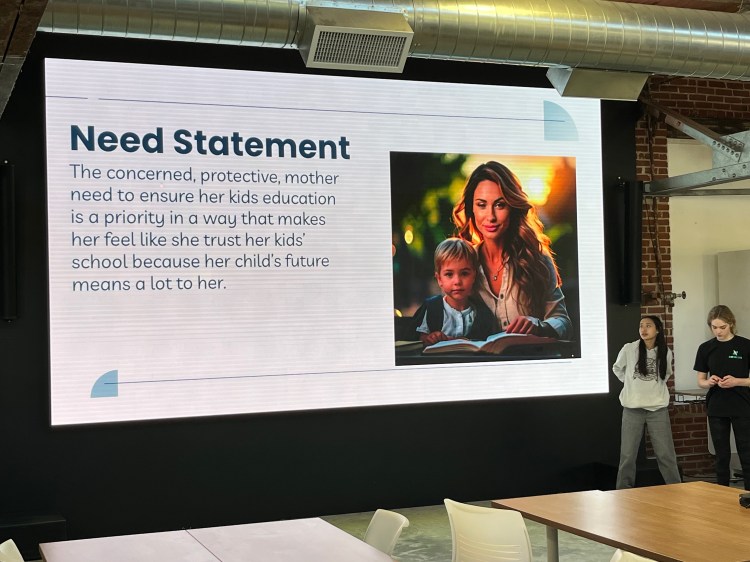
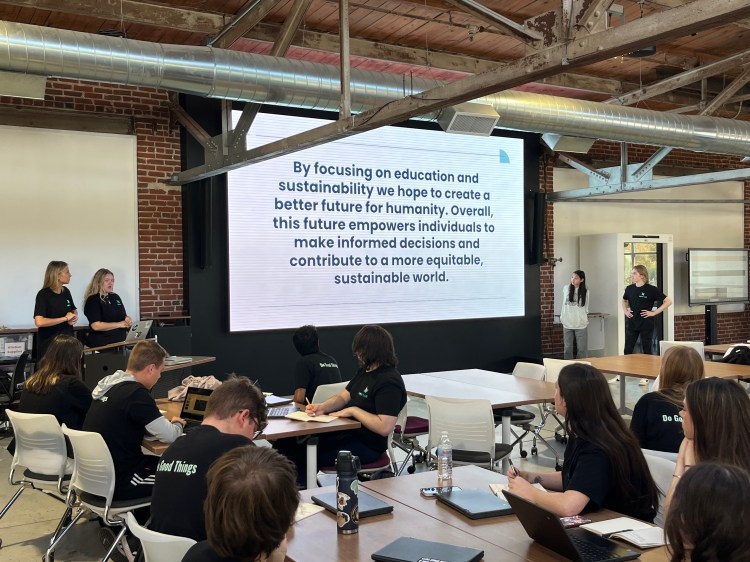
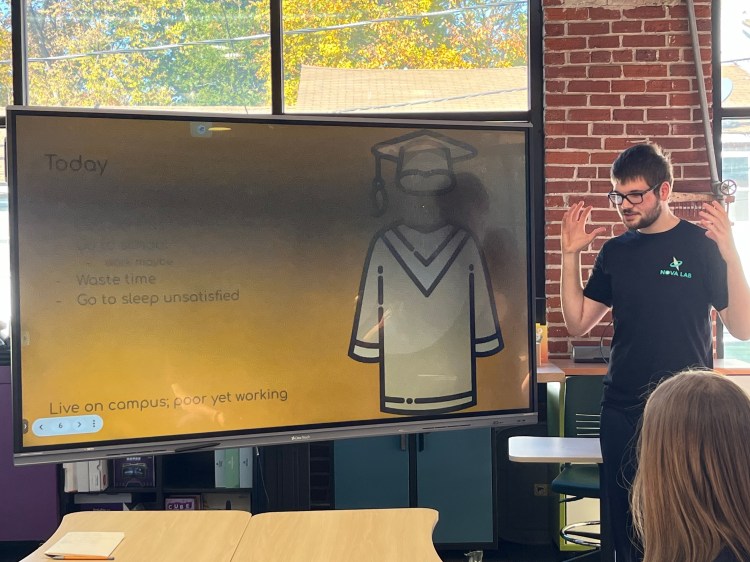


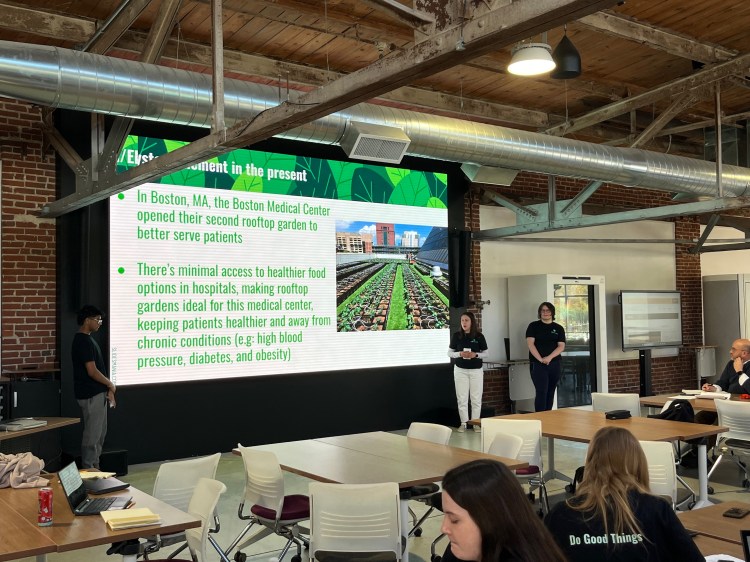


In 32 years as a teacher, I can count on one hand the projects I’ve helped manage that had the depth of engagement and collaboration this project had. I stand in awe. In reflection after reflection, students noted how important they felt their work was, even if it was only at the theoretical/preliminary level, because they felt a real responsibility to the future.
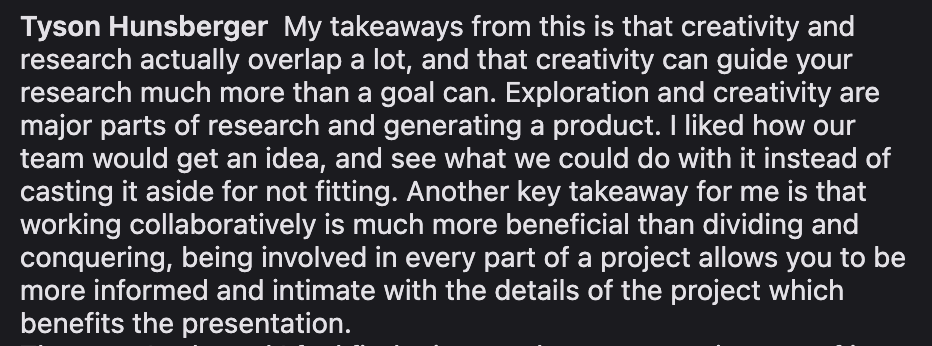
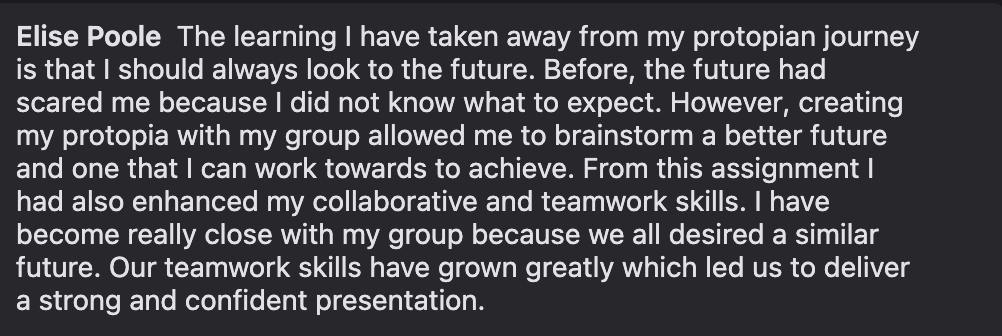
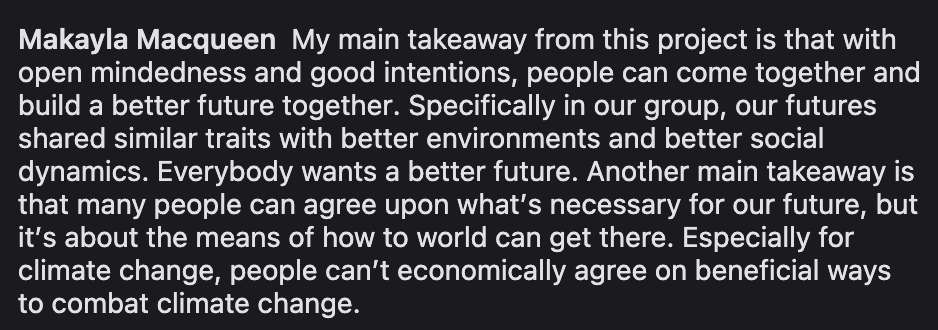
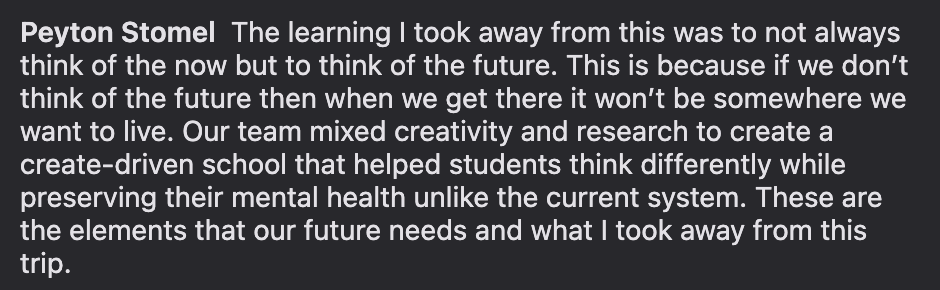
Moreover, their thinking was not hopeless and filled with despots, climatological collapse, and failed states (as is the case in most of the futuristic pablum served us by Hollywood or teenaged, angsty, dystopian literary fare). These were visions that could be achieved, that gave us faith in this current generation.
As we move forward this year, NOVA Lab students may choose to pursue their protopian visions, or they may decide to pursue their own purpose driven projects…projects that are inherently meaningful but which have an impact on a larger community. In this, we look to the guidance of what might be the most successful futures thinking initiatives we’ve undertaken, the United Nations Sustainable Development goals.
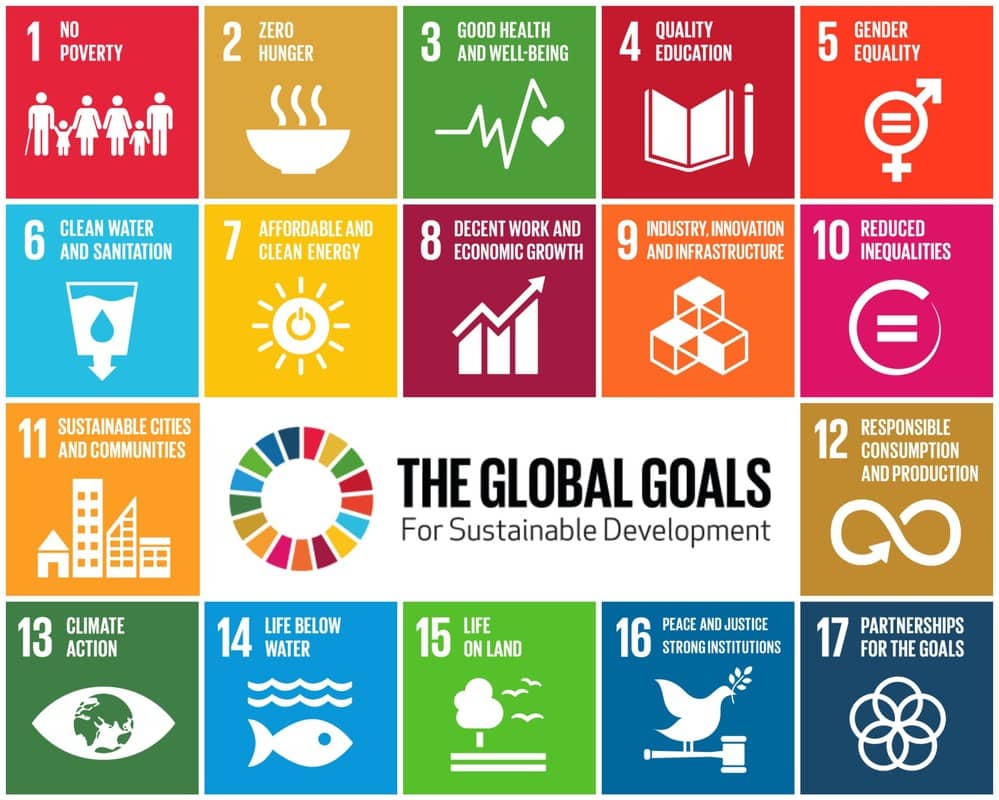
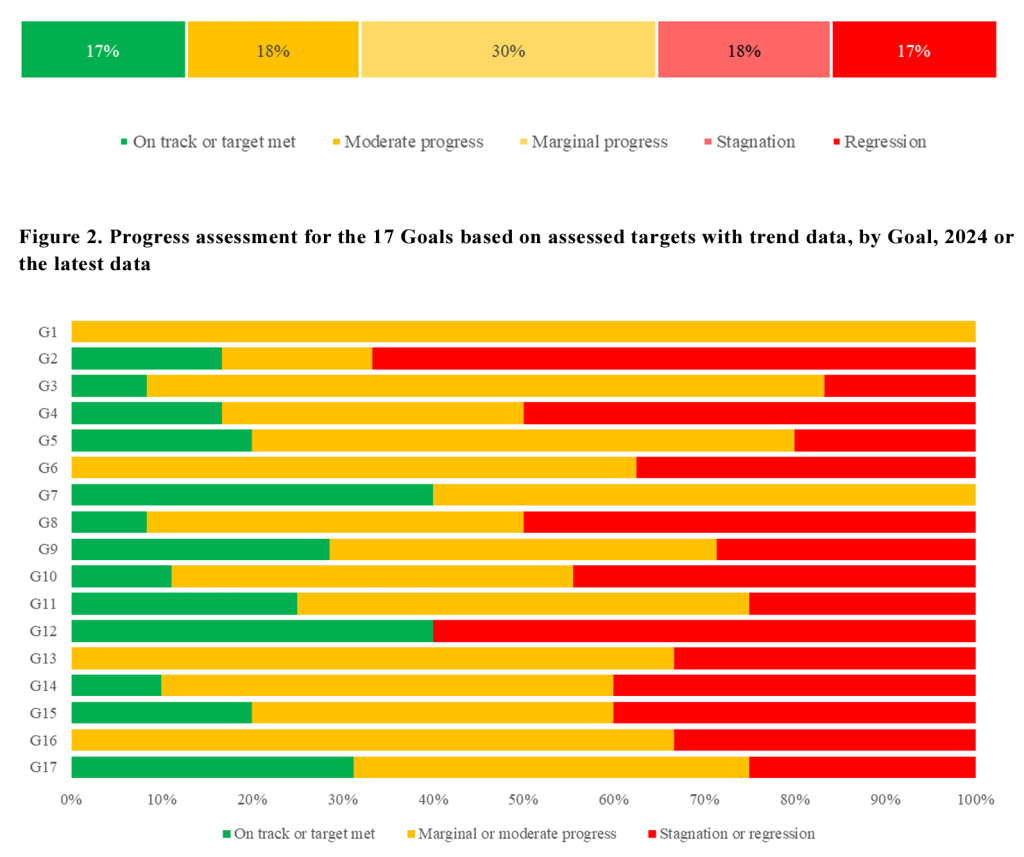
Progeny of the Millennium Development Goals of 2000 (focused mostly on poverty, education, hunger and disease ) the UNSDGs have been in place since January 1 of 2016, but most of them will not meet their goal by 2030. And while these goals are instructive and provide direction, part of their directive, unfortunately, is in how we have failed by them.
It’s tough to make predictions, especially about the future.–Yogi Berra
Years of infighting among (mostly) first-world countries more interested in profit and dominion, countries who have rarely felt the impact of sea-level rise, devastating monsoons, and who have the infrastructure and deep straws to turn droughts into inconvenience have turned the 2030 target into a pipe dream to the detriment of the planet itself. The countries, the USA among them, have rarely assumed a custodial view of our responsibilities on this, our only habitable spaceship. What are we to do when we can not even agree on our own survival, let alone the survival of all species? Perhaps look at the statistics and shake our heads? Or maybe admit that Yogi Berra was right?
It seems futile to leave it up to our governing bodies. Like many bureaucracies (schools among them), they suffer from a failure of the imagination. They and, by proxy of our vote, we, have failed to create visions of the future that save us from ecocide, that allow us to reconcile our differences in ways that engage us in a common human objective–recognition that this is all we have. And that failure is largely the result of stagnant stories. We can’t see beyond the way things have always been. When we lack the imagination at the level of leadership to even dream of different futures, we are in deep trouble.
That’s where NOVA Lab comes in. These students, and students like them all around the world, who would dare to dream a future of prosperity for all rather than the top 10%.

Think what you will. Label them hopeless idealists. At least they have imaginations and a belief that they have a responsibility. Let’s hope the visions of some of them are brought to reality. They are hopeful, intelligent, and motivated to do good things.
 Innovation Lab
One thought on “Future Deja Vu ”