
Since 2019, our social entrepreneurship class, NOVA Lab, has been visiting and presenting our projects at the education innovation space known as Fluxspace in Norristown PA. An arm of the Corbett, Inc interior design business, Fluxspace is something I like to call a decentralized, autonomous, community-based, educational space. But whatever you call it, Fluxspace has become a mecca for teachers and districts from surrounding counties. Here, schools can hold retreats, teachers can take PD classes or bring classes to engage in design-based activities in STEM and other fields.
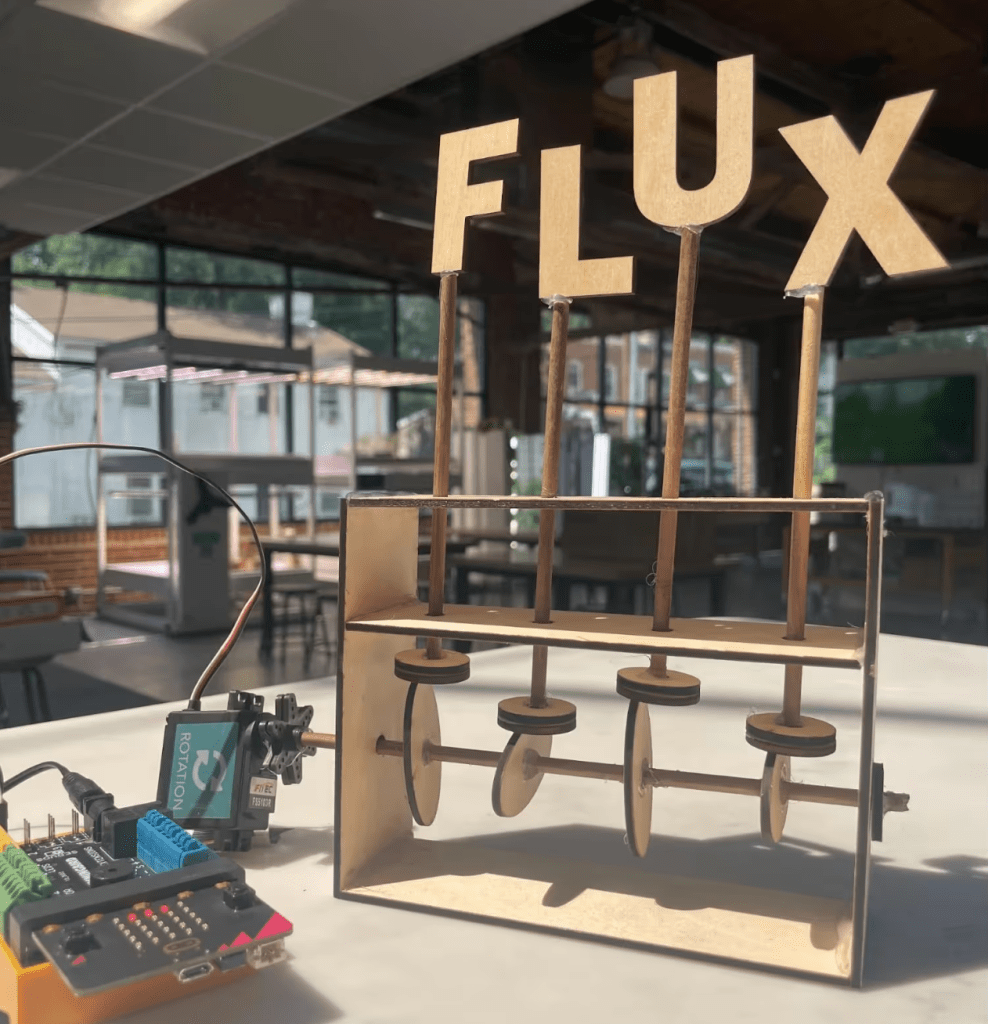
The versatility of the space is intentional, embodied in its design and called out in its name. And then there’s the history of the space–a turn of the 20th century wool mill that supplied fabric for soldiers’ uniforms in World War I.
From history, to pedagogy, to cutting edge educational technology and design, Fluxspace represents a triumph of urban revitalization and repurposing.
For NOVA Lab students, Fluxspace is like our second home. We attend twice a year, listening to entrepreneurs tell their stories, and our peers present their ideas to a much larger public than simply a classroom.
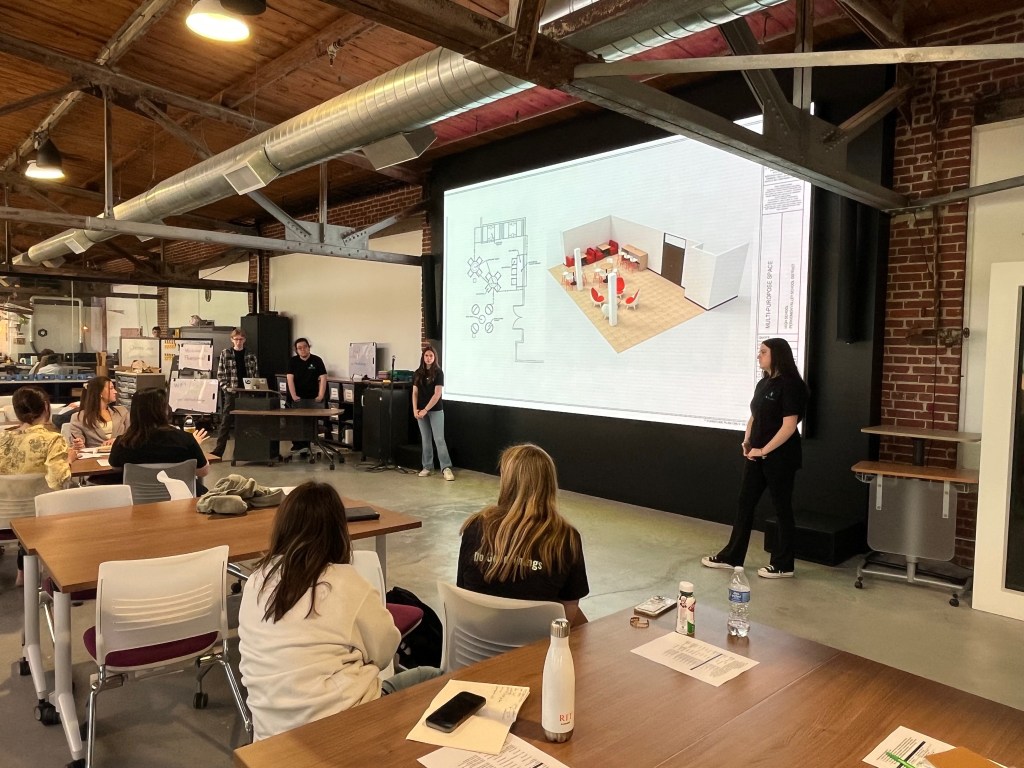


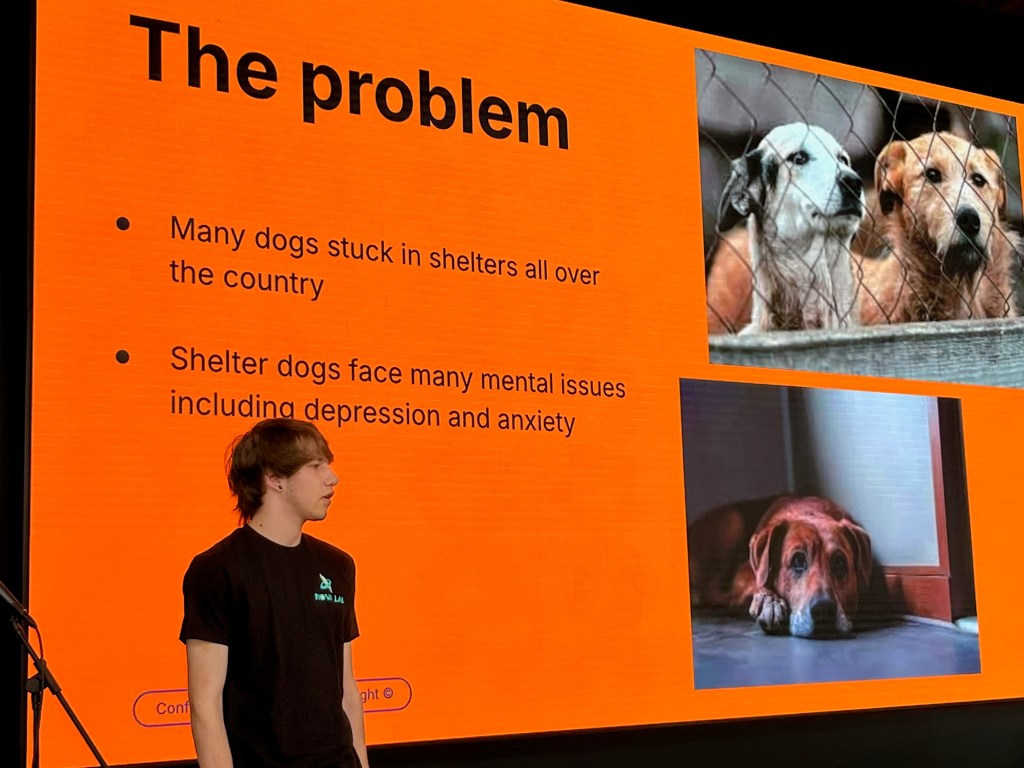
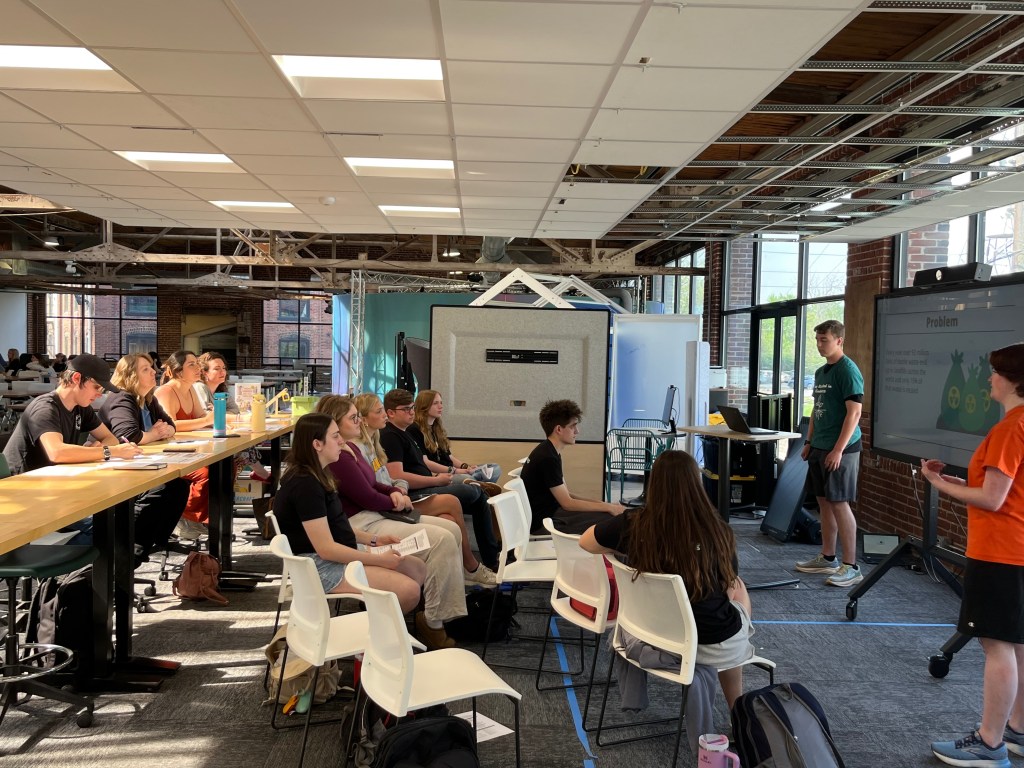
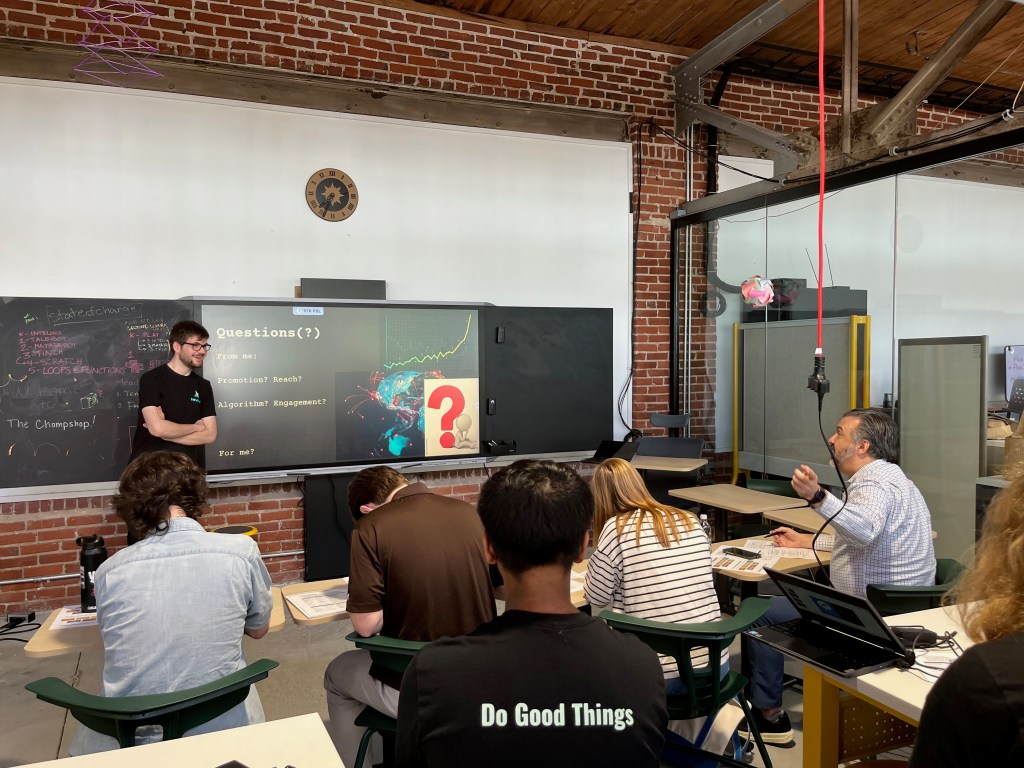
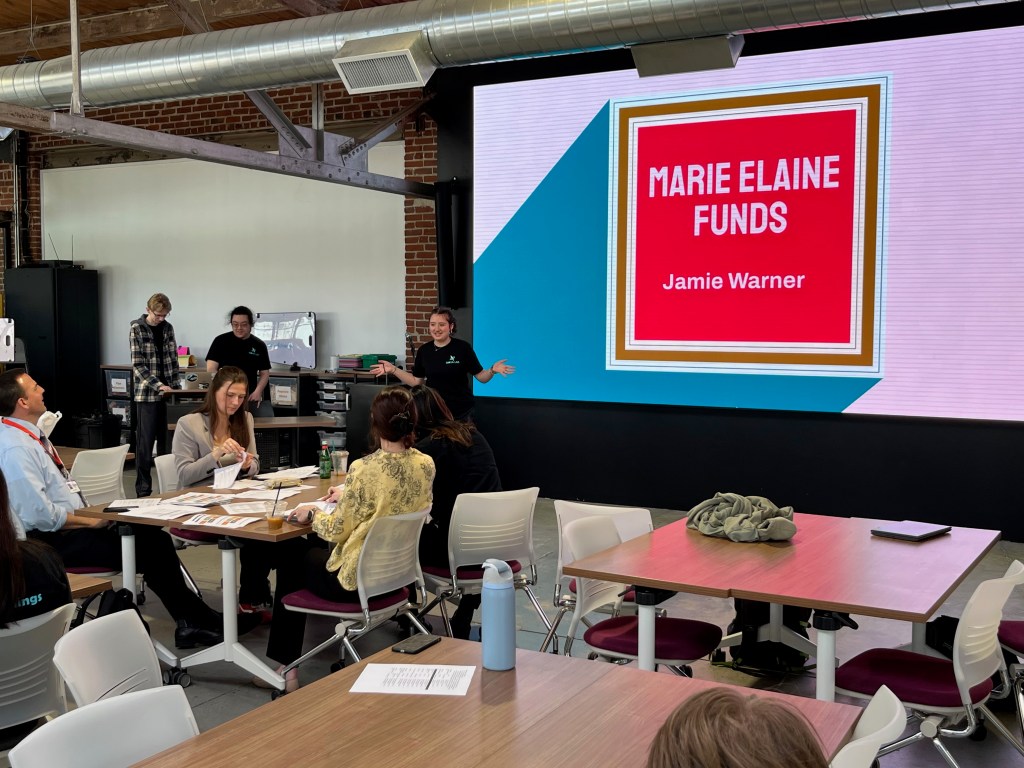
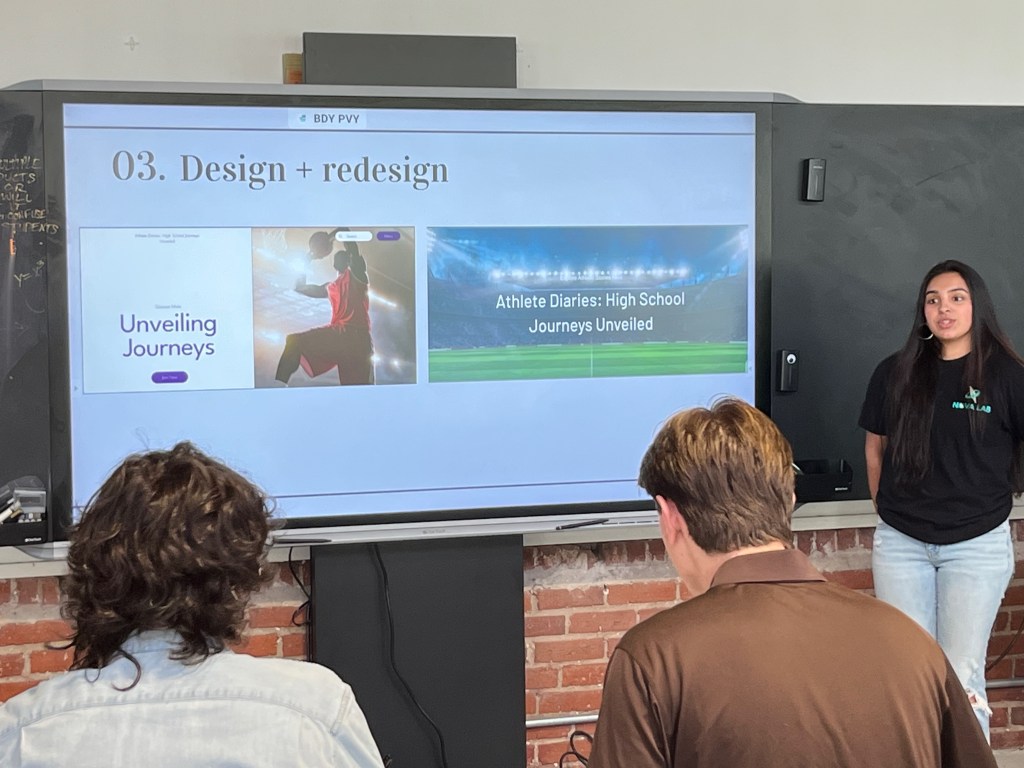
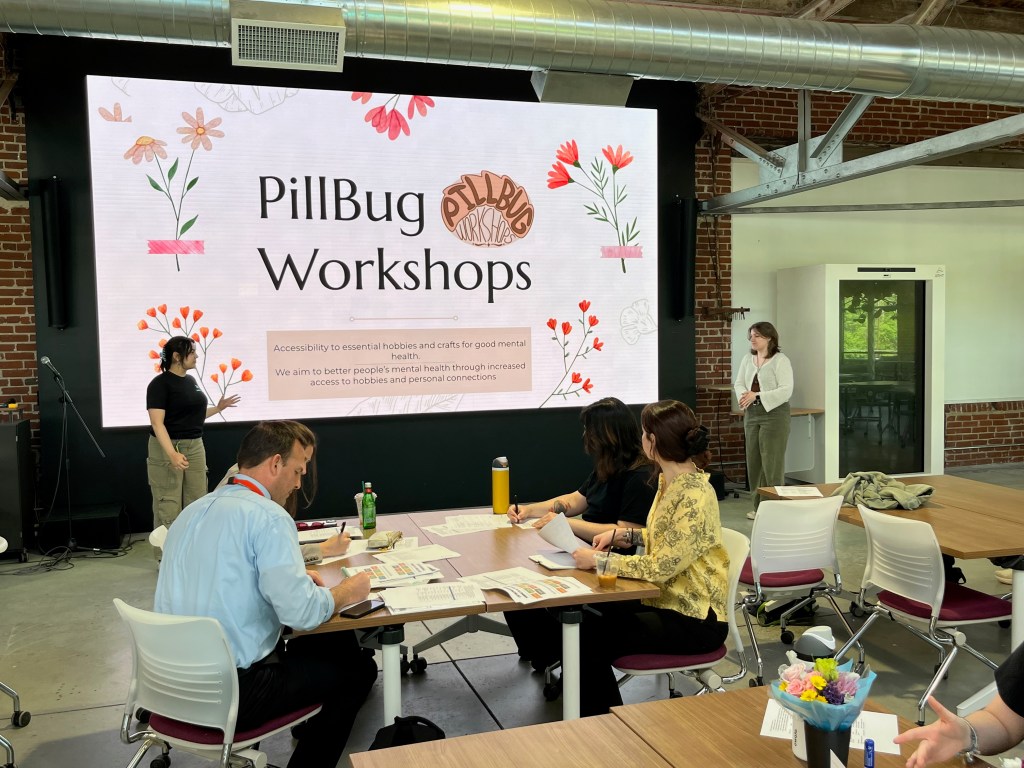

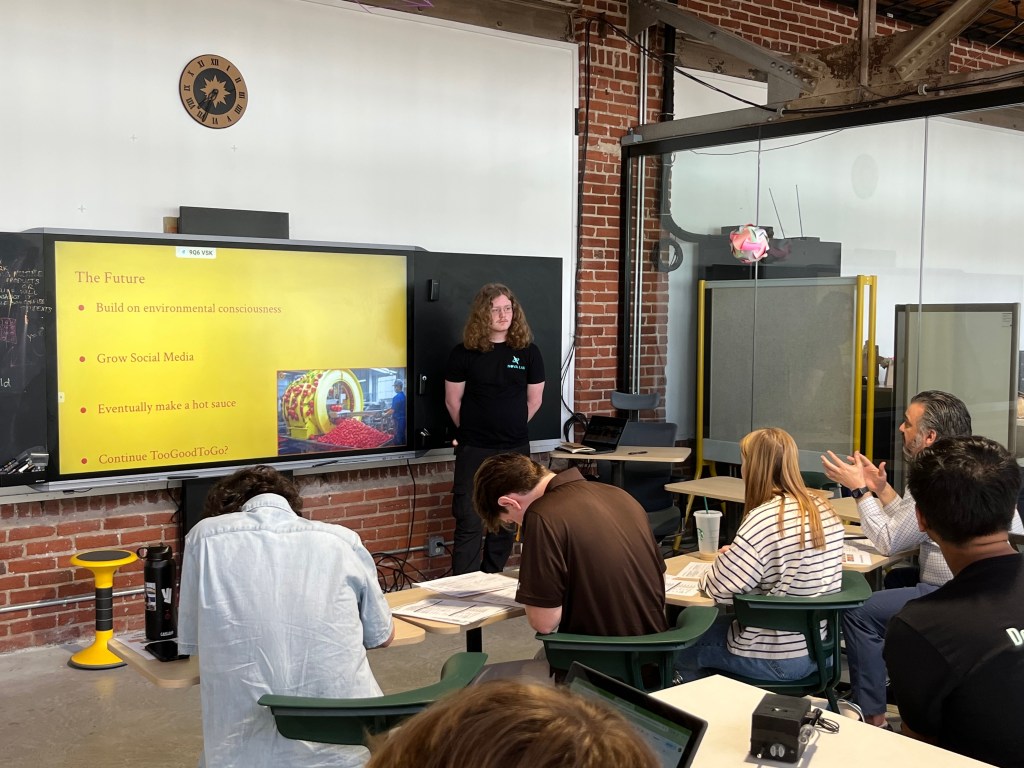
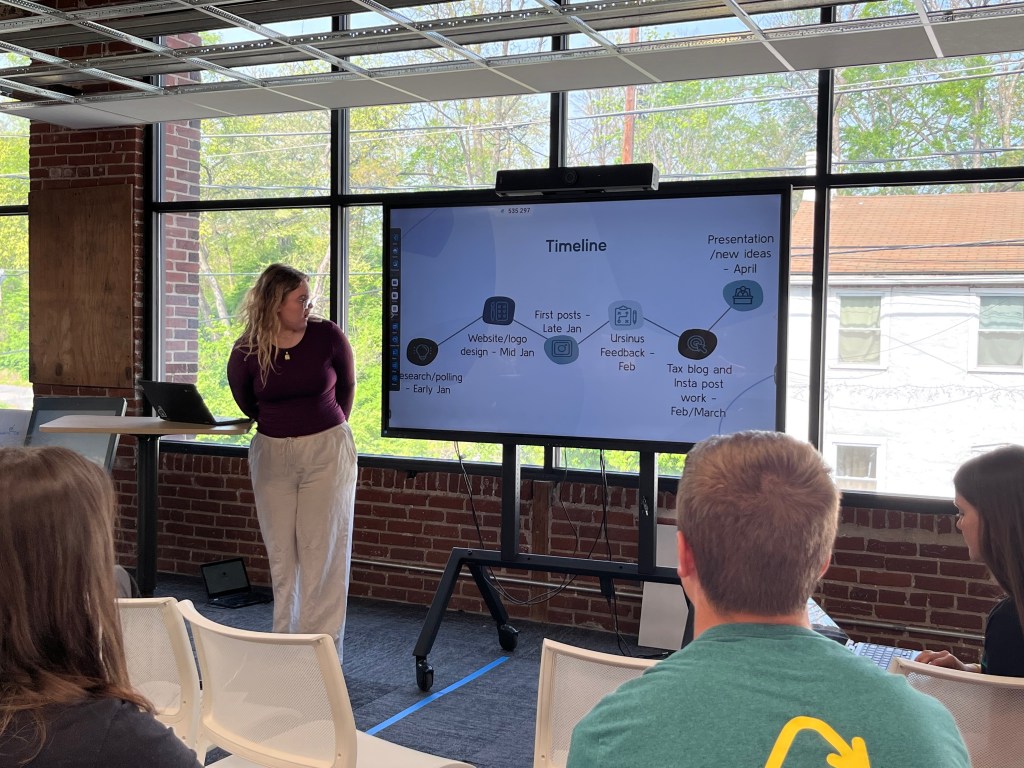


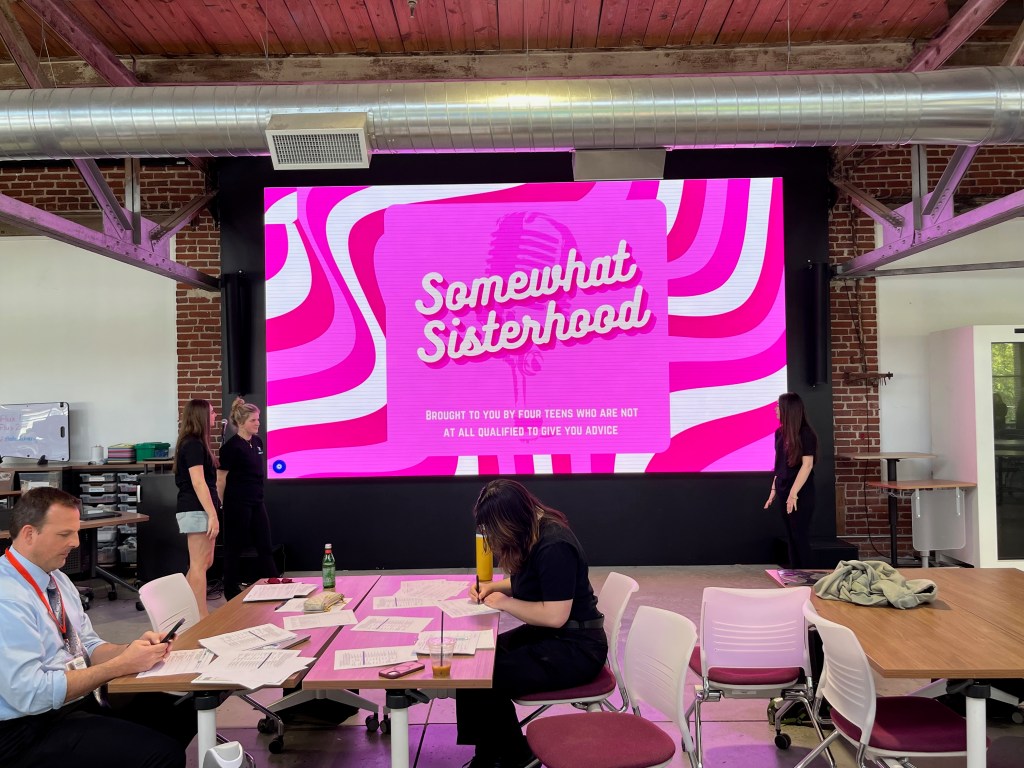
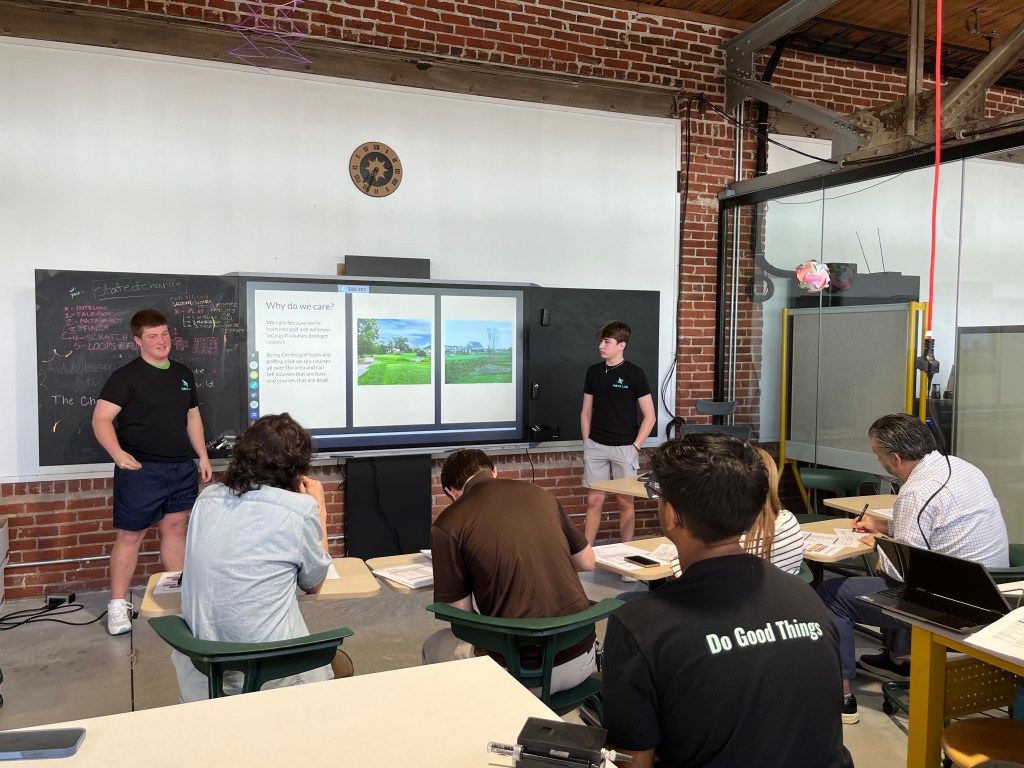


To me, Fluxspace represents an opportunity to step back, and let others (the adults and former students on the critique panels) teach and learn with students. As the class is largely driven by two question (see image below), this opportunity to reassess and evolve the course is a values based decision. That is, if we are a class that focuses on innovation and entrepreneurial mindsets, then we have to embody the same.

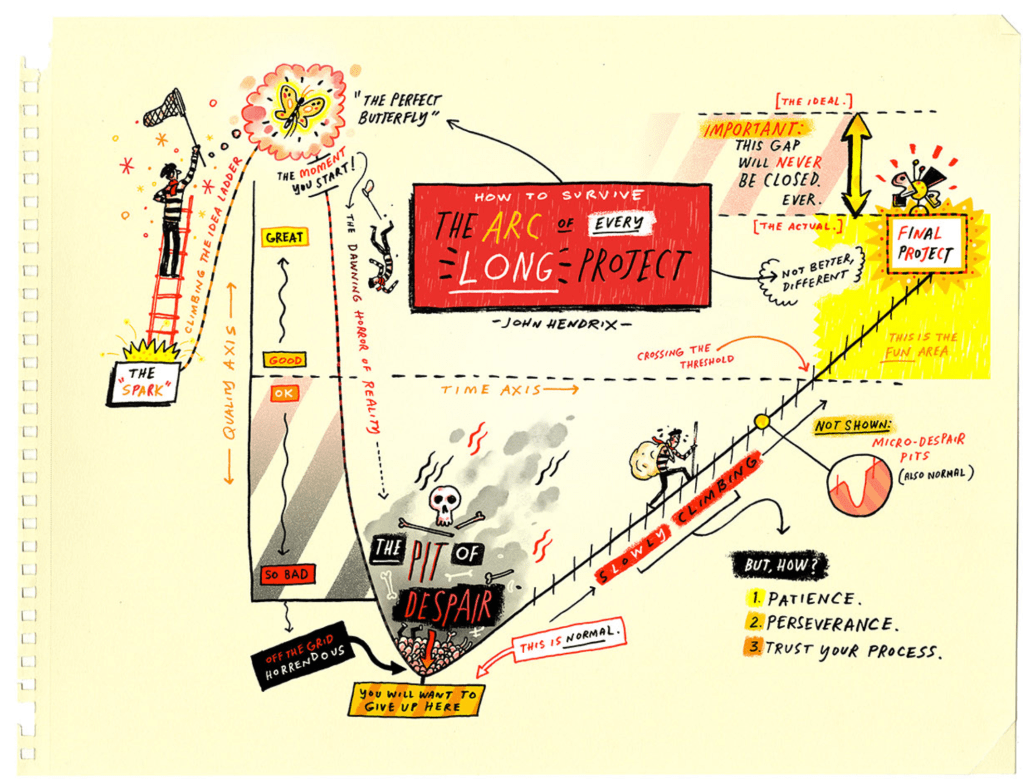
Which is why our latest trip to Fluxspace on April 24, 2025, was such an important event. Students had been working on projects since Mid-January, and while this is the fifth iteration of the class, I still get nervous on these days. Not because I fear the students aren’t prepared for the presentations. I was a speech and debate coach for 25 years. I know they are prepared in that way. No…what drove my anxiety this time is the nagging feeling that I’ve led the students into a rut/pit of sorts. That the projects have become secondary to a process, and that that process has interfered with both the breadth of projects and their progress overall. None of which was my original intention.
Original Intention of NOVA Lab
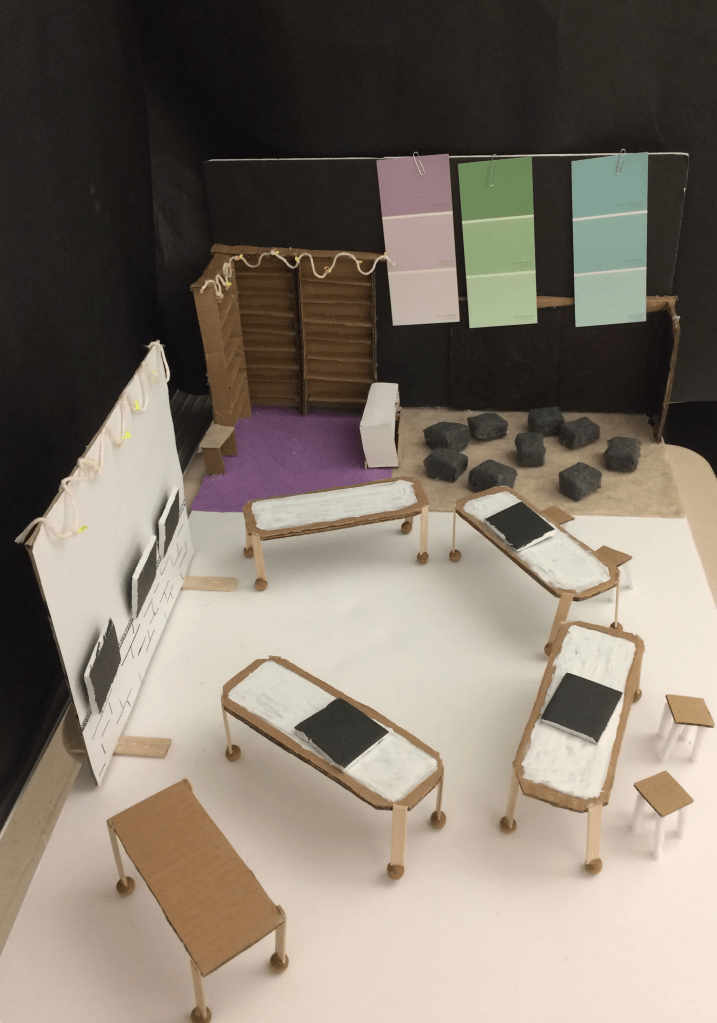
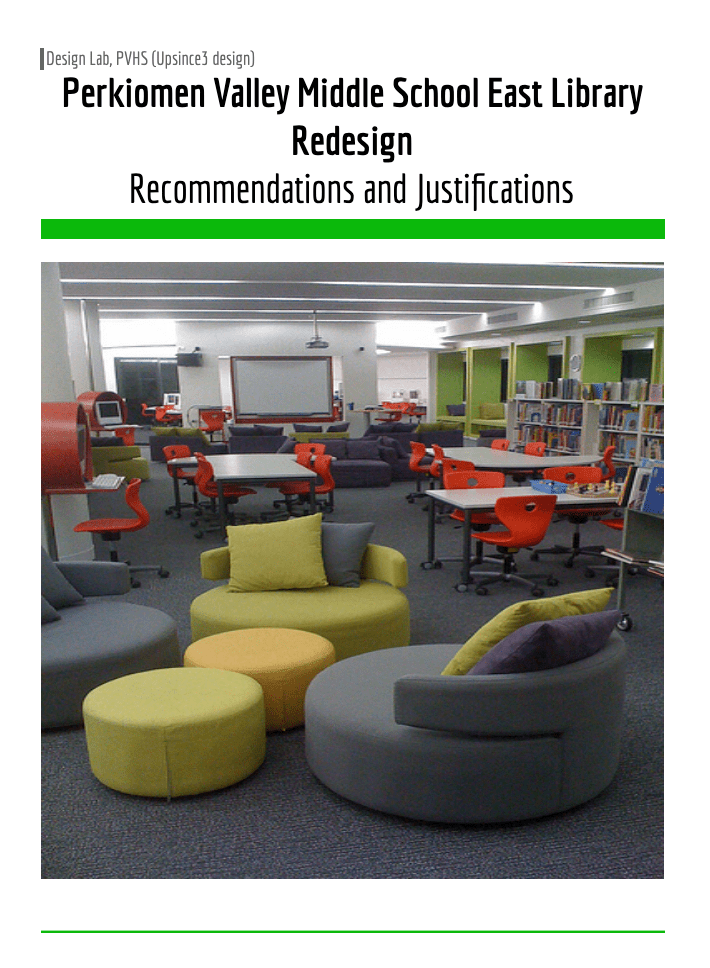
NOVA Lab began in 2016 as a semester-long prototype called “Design Lab.” My goal was to teach design-thinking as a mindset for approaching the world and, through empathy and human-centered processes, to make the world a better place. In that semester, we accomplished a huge amount. We studied classroom design and developed models for redesigning the classroom based on our research and empathy interviews. We helped develop ideas for the redesign of our Middle-School’s library. And students engaged in their own projects, from a Winter Arts Festival, to electrically warmed gloves for running in the winter, to a libretto for a musical on the life of Leonardo da Vinci.
And then the class went to sleep for a while. From 2017 through 2018 it failed to roster 10 students. Then, suddenly in 2019, with the help of some of my Sophomore English students who had experienced Purpose Projects, we rostered 42 students and two classes worth of “NOVA Lab Pioneers.”
In the ensuing years, through COVID and beyond, students have developed projects on increasing voter registration among seniors, composting of biodegradable waste from the cafeteria, the creation of our current FIRST Robotics and E-sports teams, as well as numerous fundraisers and tournaments.
While all these projects have had a positive impact on the culture of our school, I have always felt something shifted after that first prototype year of 2016–namely that we’ve stopped looking to solve problems in economically viable ways, through the creation of products or services, and we’ve shifted to social or cultural movements: fundraisers, clubs, social media campaigns, and numerous podcasts.
This focus has resulted in some outstanding projects, but by their very nature these pursuits are more like passion projects with a social bent than attempts to leverage entrepreneurial mindsets towards the solution of real world problems.
Thus it was that I listened eagerly to a group of the panelists at our most recent trip to Fluxspace as they helped me gain perspective on this shift and how I might revise the class for next year to regain a focus on design-thinking and the creation of products and services that not only make the world a better place, but which recognize that profit and improvement are not mutually exclusive, which recognize that learning to navigate the entrepreneurial landscape can benefit everyone, not just the students themselves.
And so we are, quite literally, “a class in flux.”

The project presentations we engaged in this past Thursday were helpful in many ways, none the least of which is in how they will help me improve the class. I already have access to the tremendous curriculum and community of the STARTedUP Community’s Innovative Educator Fellowship (rebranded as the STARTedUP Innovation Accelerator). But even better is the input I’ve received from former students who have gone on to take college classes at places like Lehigh and Villanova Universities, or Pitt that have engaged them in the kind of design-based learning that was the basis for NOVA Lab. They’ve provided a necessary perspective. As well, we are beginning to develop a community of local entrepreneurs who have offered feedback on how to tweak the curriculum to dive more deeply into purely entrepreneurial work.

Living a life in flux is never easy and more often than not, exhausting. But change that is based in the pursuit of values and improvement is never such. It is necessary work, something we must live in order to teach.
Here, then, are some of the ideas we have for revising our curriculum for next year:
Return to primacy the use of design sprints. Make tangible things. (
Develop a deep working knowledge of design thinking early in the class. Also–Cooper Hewitt Design Competition. EARLY
Host an “Ideation Day” at Fluxspace Or Ursinus led by local designers or professors.
Spend more time planting seeds of many ideas rather than just one
Research for several weeks to discover what is being done in our fields of interest
Continue to grow our partnership with Ursinus College’s Entrepreneurship program
Use Activities from Tina Seelig’s book, InGenius: A Crash Course on Creativity
Use the Process in Jake Knapp’s Sprint: how to Solve Big Problems and Test New Ideas in Just Five Days
Daily progress logs of the type created by Jacob D and which are championed by Dan Pink on this LinkedIn Post.
Clearer implementation and use of STARTedUP Entrepreneurship Curriculum
Less open time=raise level of concern. Three days/week for work; Two days/week for content.
More work and time on problem finding and testing.
Lots of guests at the outset
Object/Design of the Day: Swiffer, OXO Kitchen Utensils, Toothbrushes, etc…
Return to binder tracking
Experiential Examples: Like Tony’s Chocolonely
Students have to find designs and read the intention.
Build.org Design Challenge in early Fall. Futures Thinking in Late Spring.
More ideas are always welcome. Please Leave a Comment to drop more ideas!

 Innovation Lab